All Insights / The Design Stage of Software Development
The Design Stage of Software Development
Software design is often misunderstood as just visuals or UI. In reality, it’s the stage where ideas are shaped into something structured, thought through, and ready to be built. It’s where user journeys are mapped, features are defined, and key decisions are made before development even begins. In this blog, we break down what the design stage actually involves, why it matters more than most teams expect, and how it sets the foundation for a smoother, more predictable product build.
Introduction
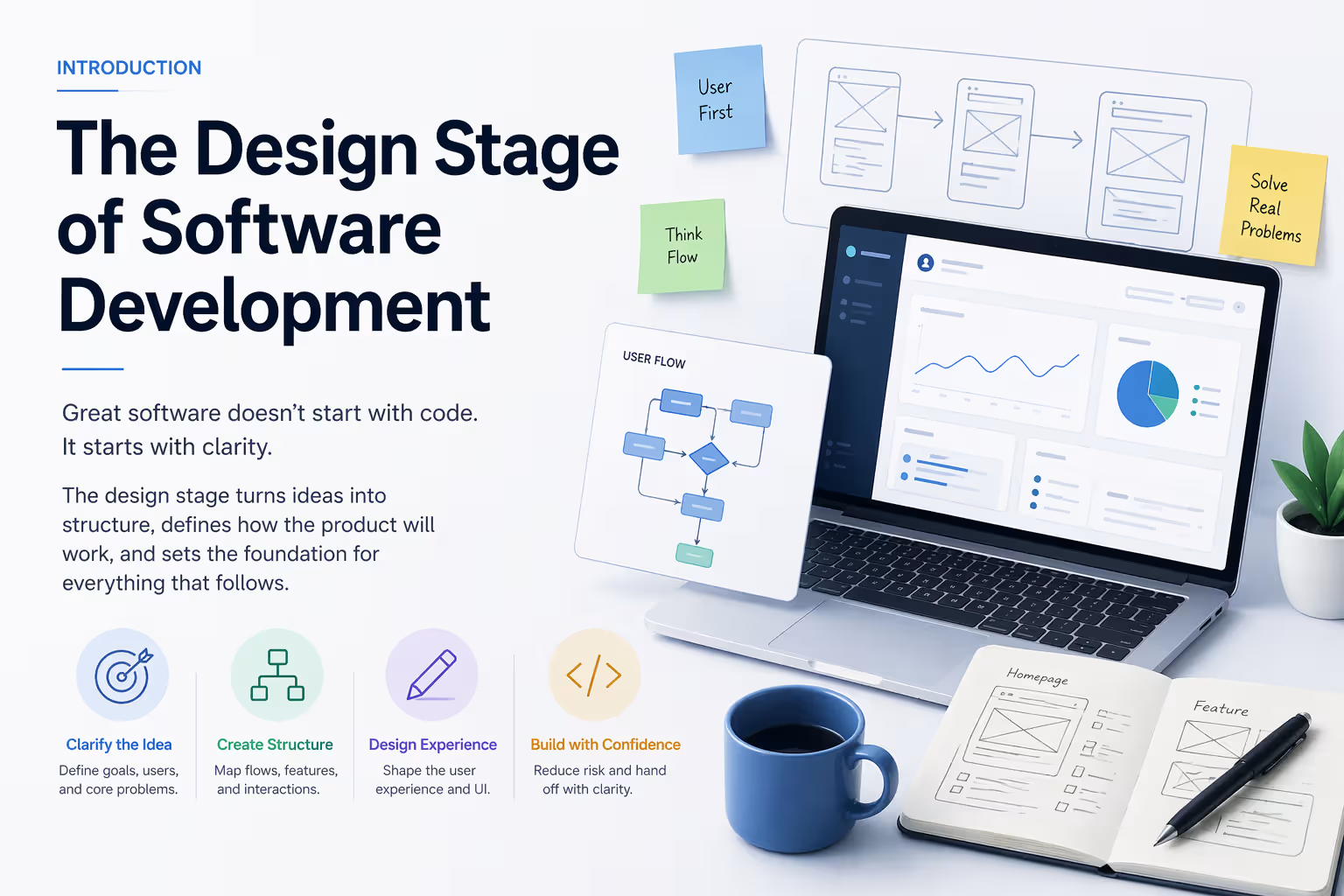
The design stage is where ideas become buildable. It’s the phase where initial concepts are shaped into a structured product before any development starts.
The focus here is on decisions:
What are we building?
How will users interact with it?
How should the system behave?
These questions are answered early, when changes are still fast and inexpensive.
By aligning business goals, user needs, and technical thinking, the design stage gives your team a clear direction. Without it, development relies on assumptions which are usually leading to delays and bad results.
Design Is Not Just UI
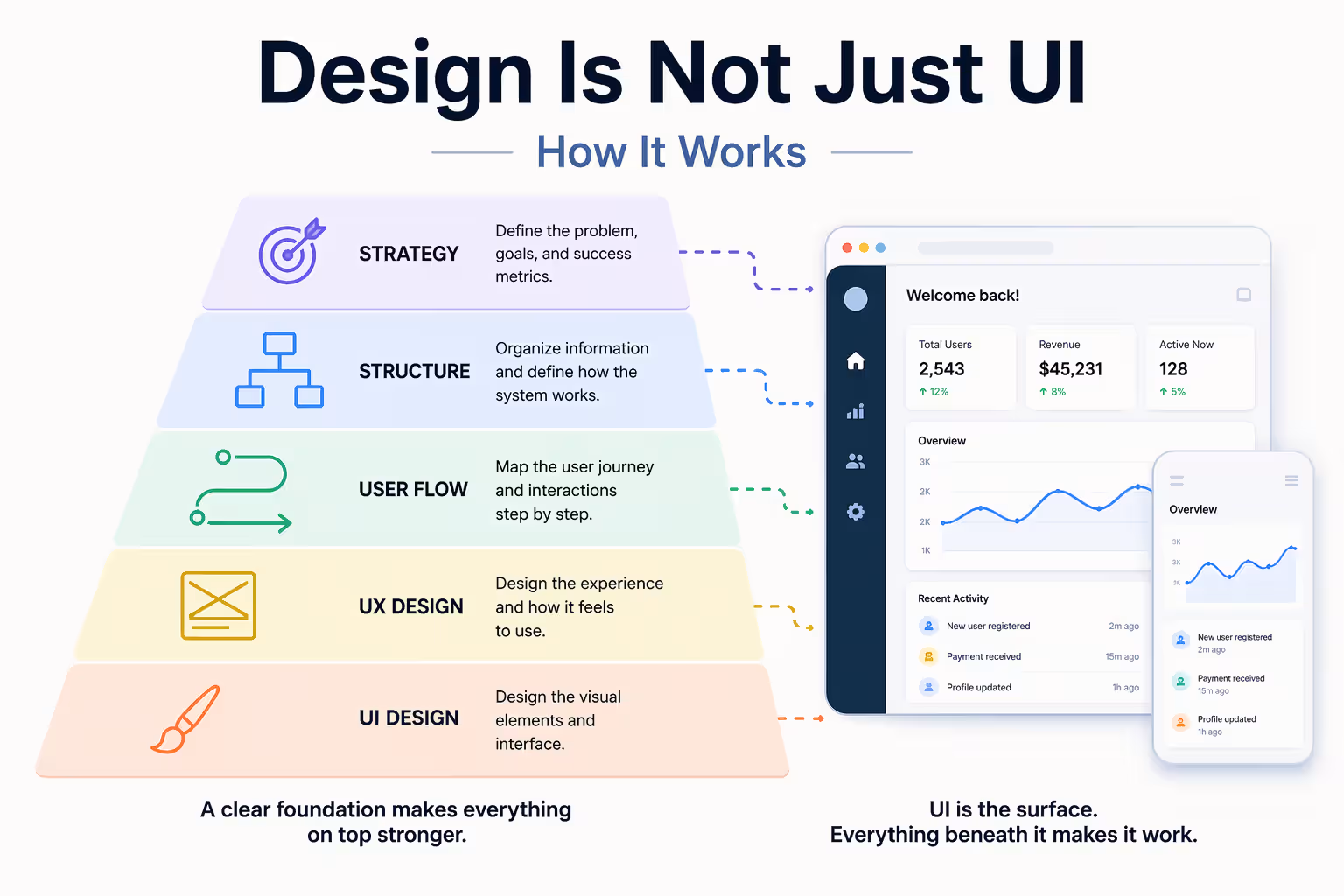
When people hear “design” they often think of screens, colors, and layouts. And while those are part of it, they’re only the surface.
In software development, design is primarily about defining how the product behaves.
It answers questions like:
How users move through the system,
How features connect,
What happens in edge cases and
How different parts of the product interact with each other.
Without this layer, even the best-looking interface can quickly break down in real use.
What Actually Happens in the Design Stage
The design stage turns an idea into something structured and buildable. It starts by aligning on business goals, user needs, and constraints, ensuring the problem is clearly understood before solutions are defined.
From there, the product takes shape. Features and scope are clarified, and key decisions are made about what will be built. As this happens, user flows and journeys are mapped, showing how users move through the product and how the system responds.
With the structure in place, the focus shifts to UX, defining how the product works, and then to UI, shaping how it looks. Throughout the process, designs are reviewed and refined to keep everyone aligned.
Why This Stage Is Critical
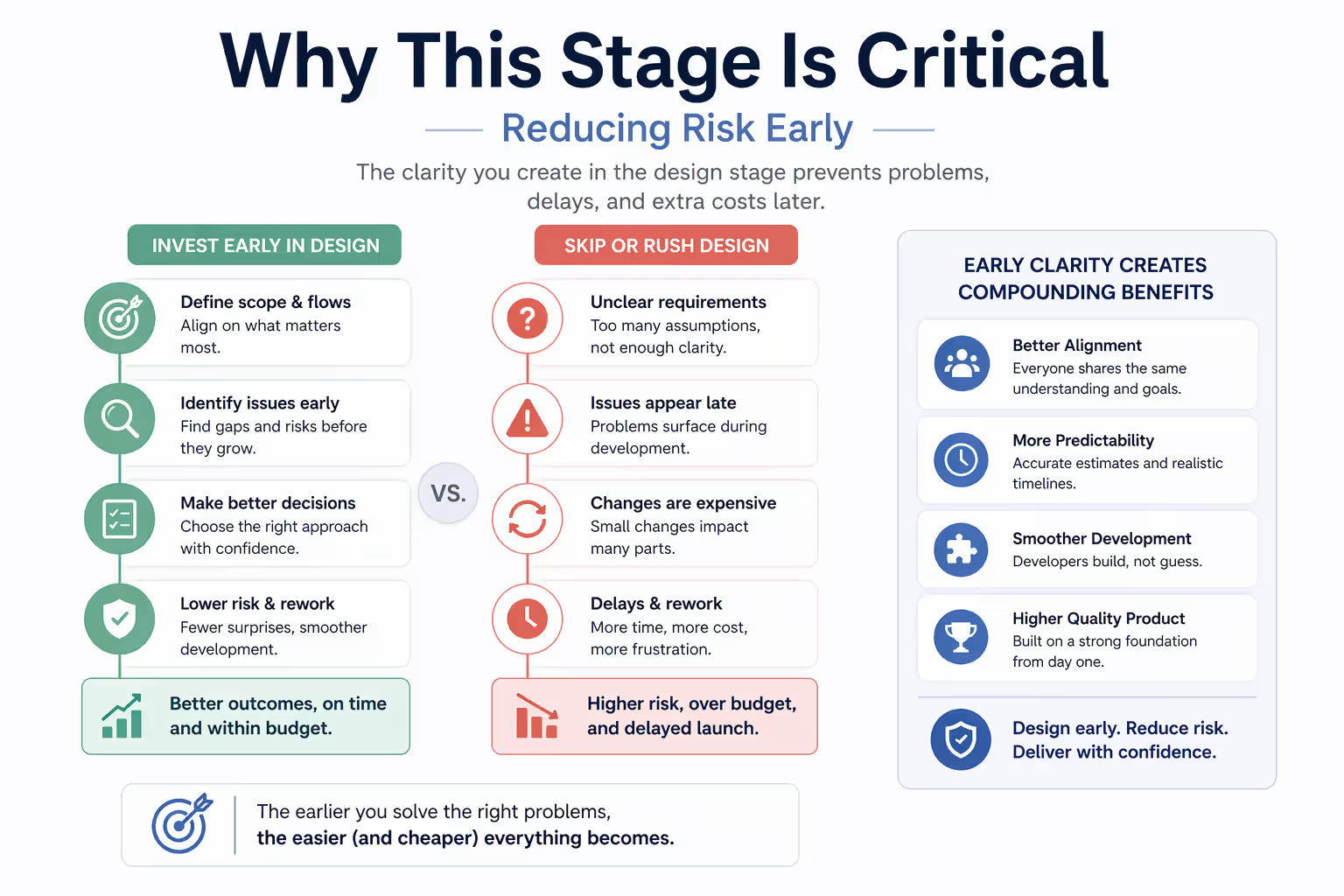
The design stage is where most of the uncertainty in a project is addressed before it turns into real problems. By defining scope and flows you replace assumptions and create a stable foundation.
This has a direct impact on both time and cost. Changes made during design are quick and low-risk, while the same changes during development can affect a lot. The earlier decisions are made, the easier they are to adjust.
A well construed design stage also improves predictability. With fewer unknowns, your team can estimate more accurately and maintain momentum. Instead of reacting to issues, they work in agreed direction.
This means fewer surprises and a higher likelihood of delivering the product.
What You Actually Get at the End
By the end of the design stage, the product is no longer just an idea, but a clearly defined blueprint that a development team can build from with confidence. Instead of assumptions, there is a clear understanding of what needs to be delivered.
In practice, this means you walk away with:
Defined user flows - Clear paths showing how users move through the product from start to finish.
Structured feature scope - A clear understanding of what is included, what is not, and how features connect.
UX/UI designs - Visual and interaction-level clarity on how the product looks.
System logic and behavior - Key decisions around how the product responds in scenarios.
Initial technical direction - Early alignment to ensure the design is feasible for development.
Common Mistakes Teams Make
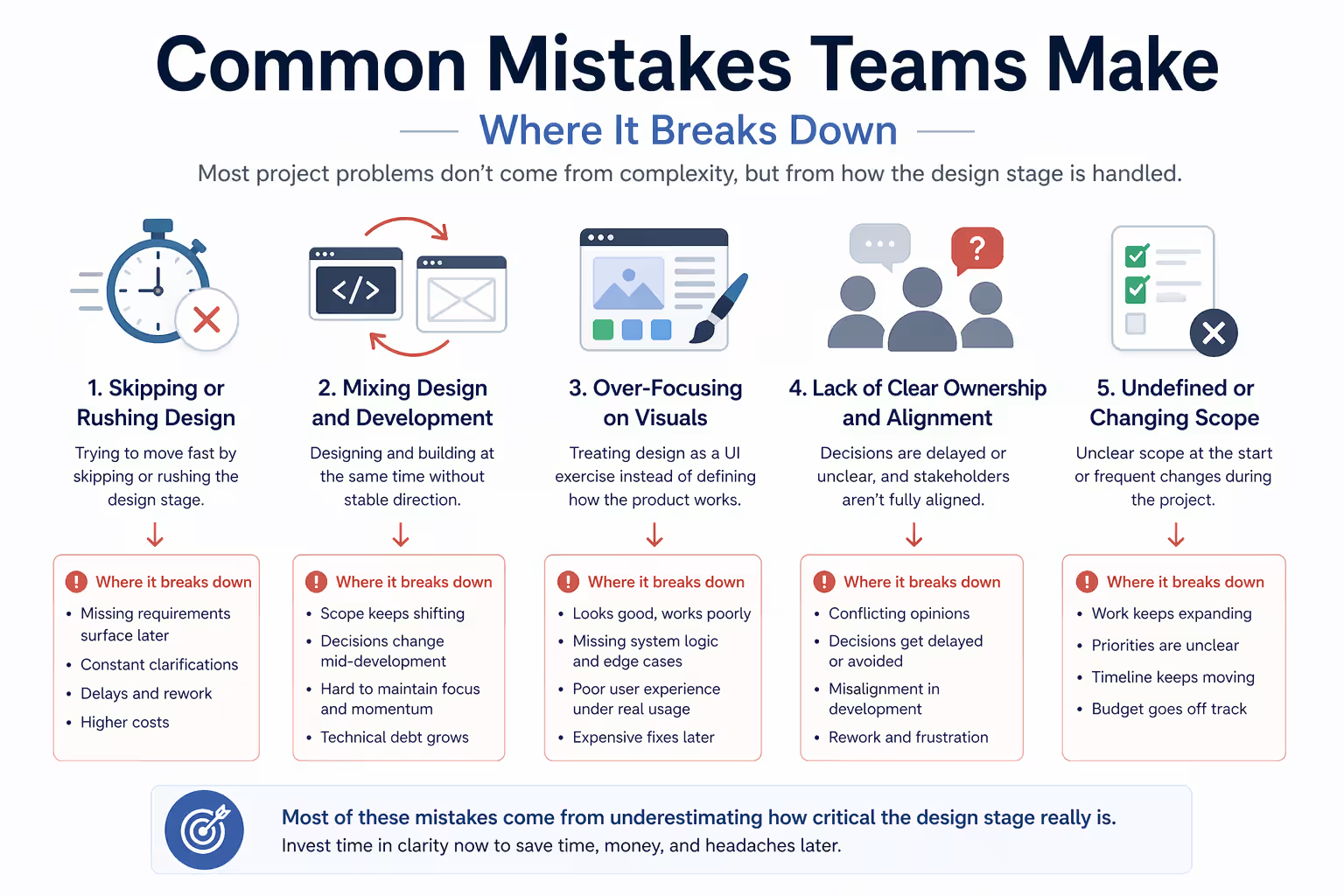
Many issues in software projects come from how the design stage is handled.
One of the most common mistakes is trying to move too quickly by rushing this phase. It often feels efficient in the moment, but shows up later as delays or constant back-and-forth during development.
Another frequent issue is mixing design and development at the same time. It usually leads to unstable scope and shifting requirements, making it harder for teams.
Teams also tend to over-focus on visuals, treating design as a UI exercise instead of defining how the product actually works. Without a solid structure, interfaces can fail under real usage.
Finally, a lack of clear ownership can slow everything down. When decisions are not made early or stakeholders are not fully aligned, uncertainty usually carries into development, where it becomes significantly more expensive to resolve.
Most of these mistakes are not intentional but come from underestimating how critical this stage really is.
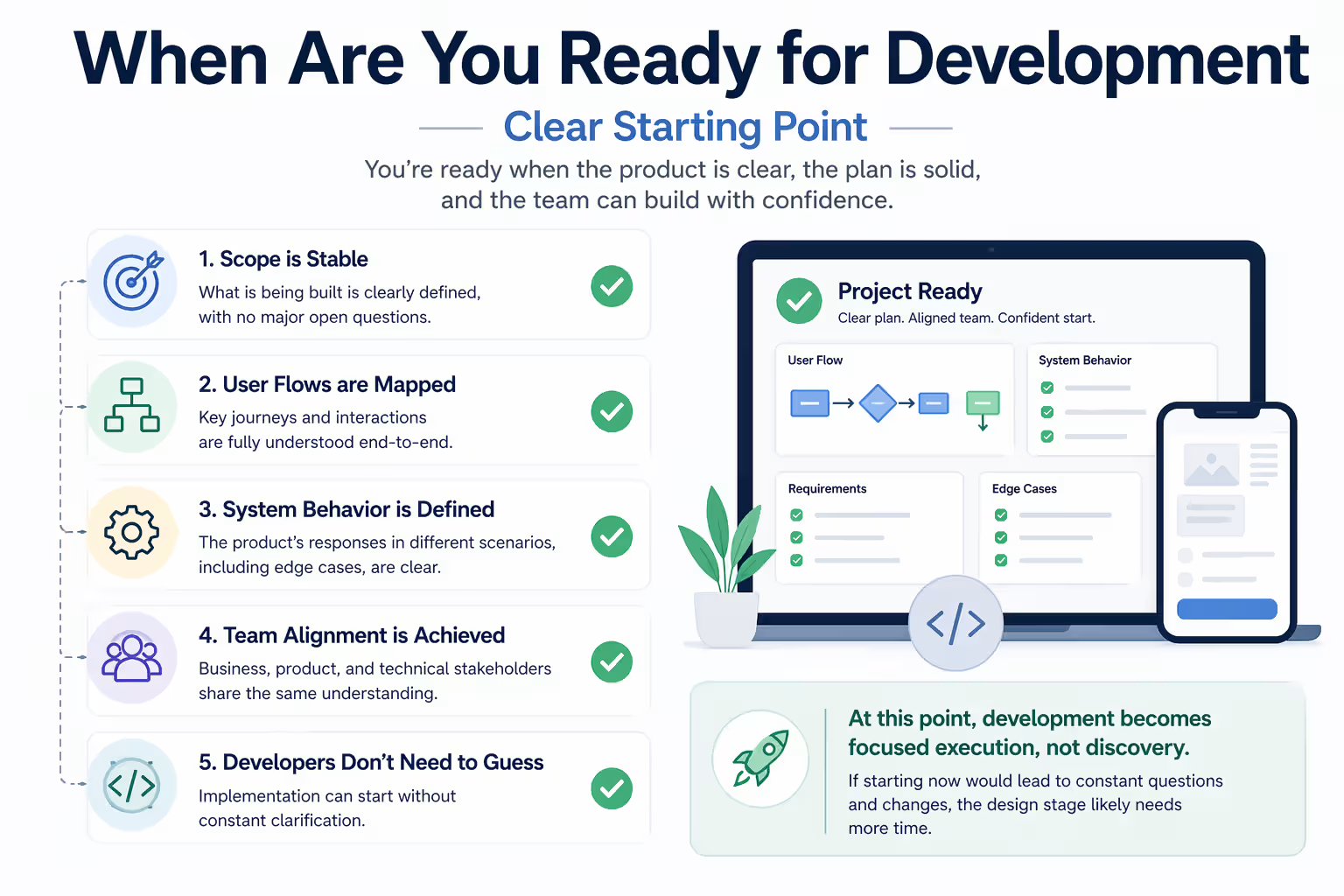
When Are You Ready for Development
A strong design stage doesn’t mean everything is perfect, but it does mean there are no unknowns left that could disrupt development. The product is clear enough that the team can move forward without relying on assumptions.
You’re typically ready when:
Scope is stable - What is being built is clearly defined, with no major open questions.
User flows are mapped - Key journeys and interactions are fully understood end-to-end.
System behavior is defined - The product’s response in different scenarios, including edge cases, is clear.
Team alignment is achieved - Business, product, and technical stakeholders share the same understanding.
Developers don’t need to guess - Implementation can start without constant clarification.
At this point, development becomes a focused execution phase rather than a discovery process. If starting would lead to continuous questions and changes, the design stage likely needs more time.
Conclusion
The design stage is not a delay before development, it’s what makes development predictable.
By taking the time to define structure and remove uncertainty early, teams avoid the need to constantly adjust later. What might seem like a slower start becomes a much smoother process overall.
Projects that invest in this stage move with speed and clarity. They reduce risk, improve collaboration, and significantly increase the chances of delivering the right product the first time.
In the end, it’s not about designing more. It’s about designing well enough that building becomes straightforward.
Related post
Handpicked Reads to Deepen Your Understanding
Do you have a specific idea in mind?
Share your vision, and we'll explore how we can make it happen together.