All Insights / The 5 Phases of a Software Development Life Cycle
The 5 Phases of a Software Development Life Cycle
The software development life cycle is more than a linear process. This blog breaks down the five phases of SDLC and explains what happens in each stage, from defining requirements to development, testing, and delivery. It looks at how teams move through these phases, how responsibilities and decisions shift over time, and why understanding the full life cycle helps teams build reliable, scalable products instead of treating development as a single step.
Introduction to the Software Development Life Cycles
The software development life cycle is often presented as a fixed sequence of steps that teams are expected to follow from start to finish. In reality, it is a framework for structuring work, decisions, and learning over time. When used correctly, the SDLC helps teams reduce risk and build products that can evolve. Understanding the five phases of the SDLC is less about memorizing stages and more about knowing what problems need to be solved at each point in a product’s life.
Phase 1: Discovery & Planning
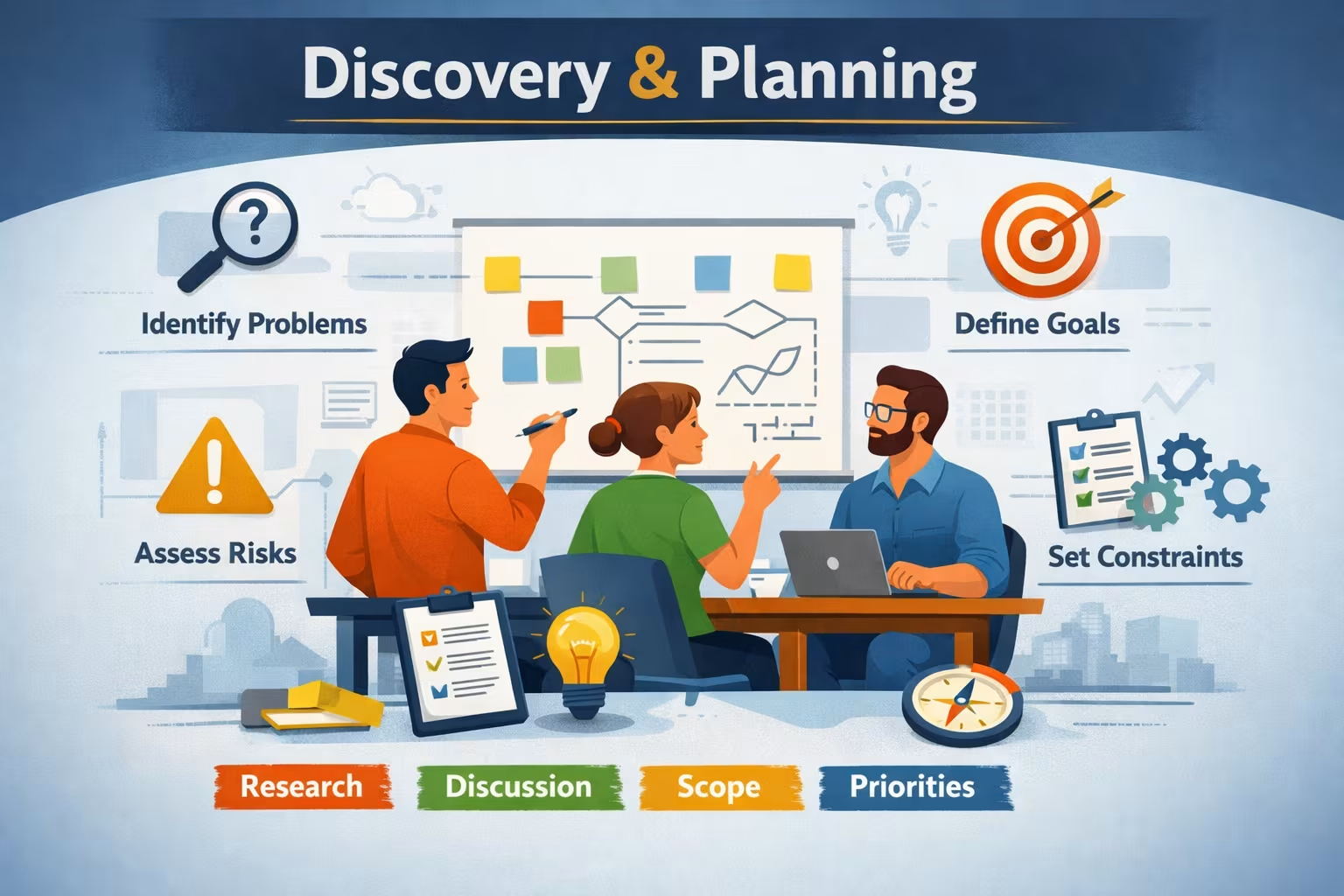
Discovery and planning set the foundation for everything that follows. This phase focuses on understanding the problem, defining goals, identifying risks, and aligning on constraints before development begins. It’s where scope is shaped and priorities are clarified. Skipping this phase often leads to building the wrong thing or committing too early. Strong discovery and planning aim to reduce uncertainty enough to move forward with a clear sense of direction.
Phase 2: Design
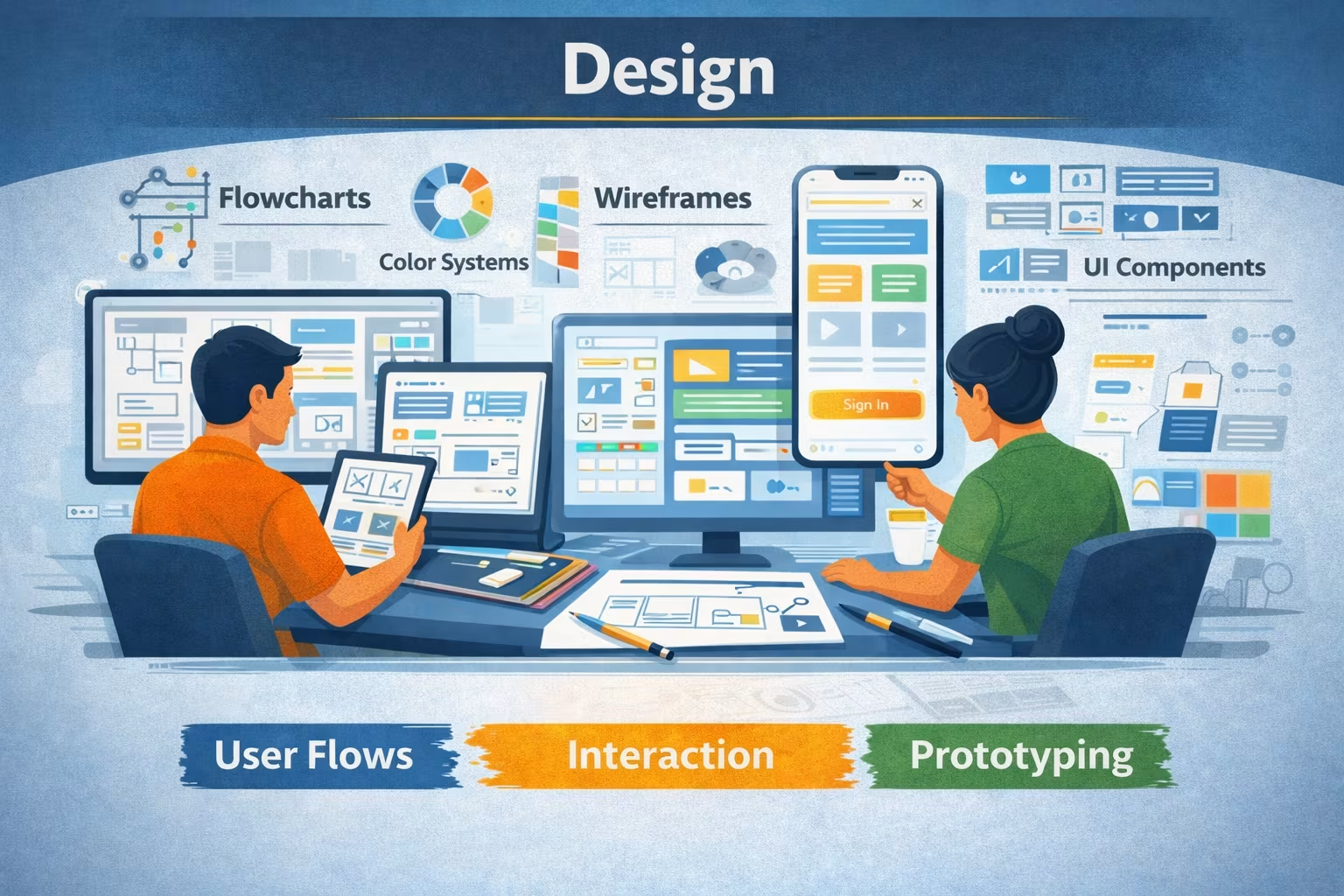
The design phase translates ideas and requirements into structure and clarity. It covers both user experience and system design, defining how the product should work and how it should be built. Good design prioritizes usability, consistency, and scalability, making future development and change easier. This phase is not about visual polish alone, but about creating a shared understanding of flows, interactions, and technical foundations. When design is rushed, teams often pay for it later through rework, confusion, and unstable solutions.
Phase 3: Development
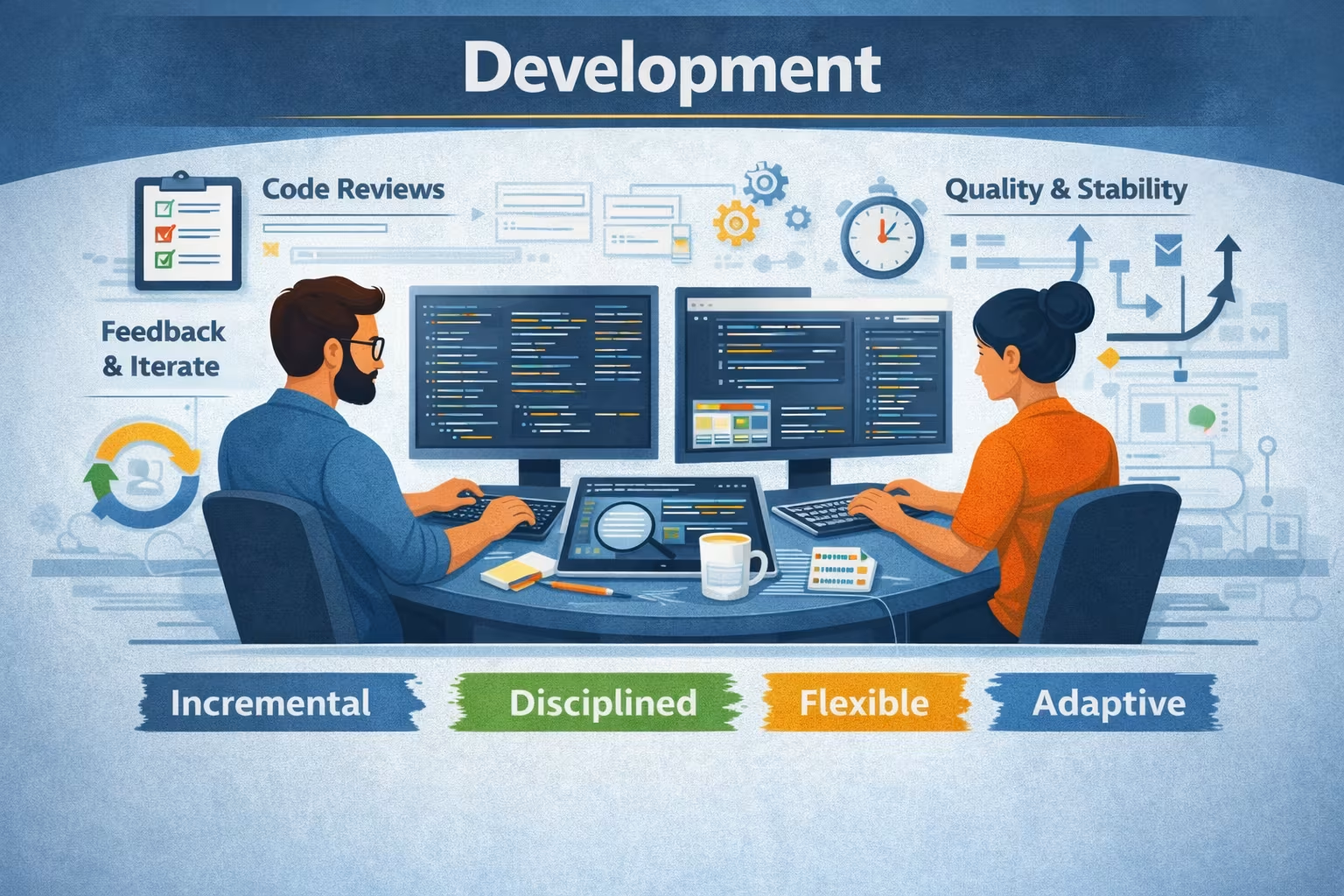
The development phase is where plans and designs become working software. This phase focuses on implementing features in small increments while maintaining code quality and stability. Effective development balances speed with discipline, avoiding both overengineering and shortcuts that create long-term problems. Regular feedback, code reviews, and iteration are critical to keeping progress aligned with goals. Development works best when it remains flexible, allowing teams to adjust as new insights emerge without losing momentum or direction.
Phase 4: Testing & Validation
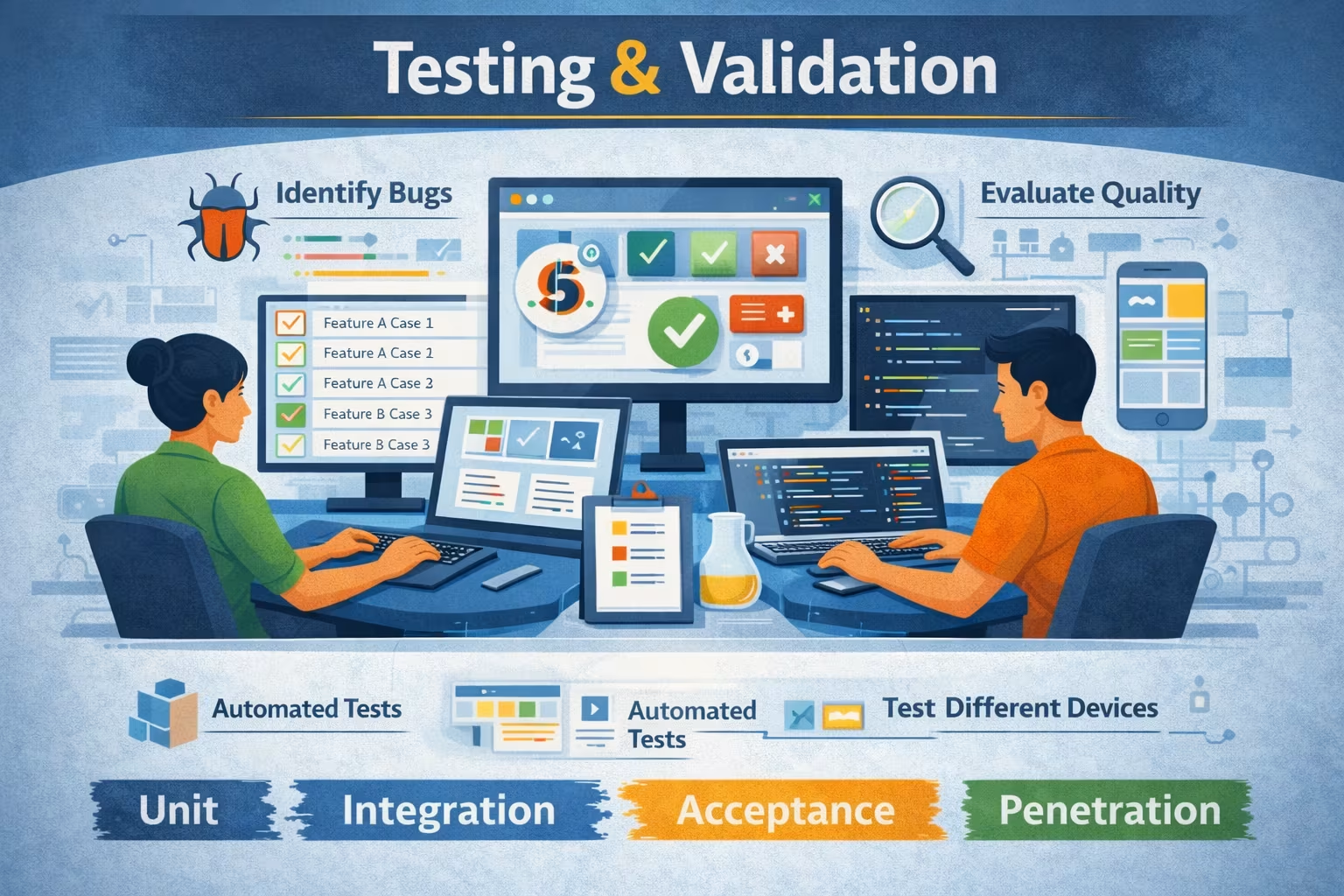
Testing and validation ensure the product works as intended before it reaches real users. This phase focuses on verifying stability, performance, and security, as well as confirming that the product meets business expectations. It’s not just about finding bugs, but about validating readiness and reducing risk before release. Skipping this phase often leads to issues surfacing in production, where they are harder and more expensive to fix. Thorough testing builds confidence that the product is ready for the next stage.
Phase 5: Deployment & Iteration
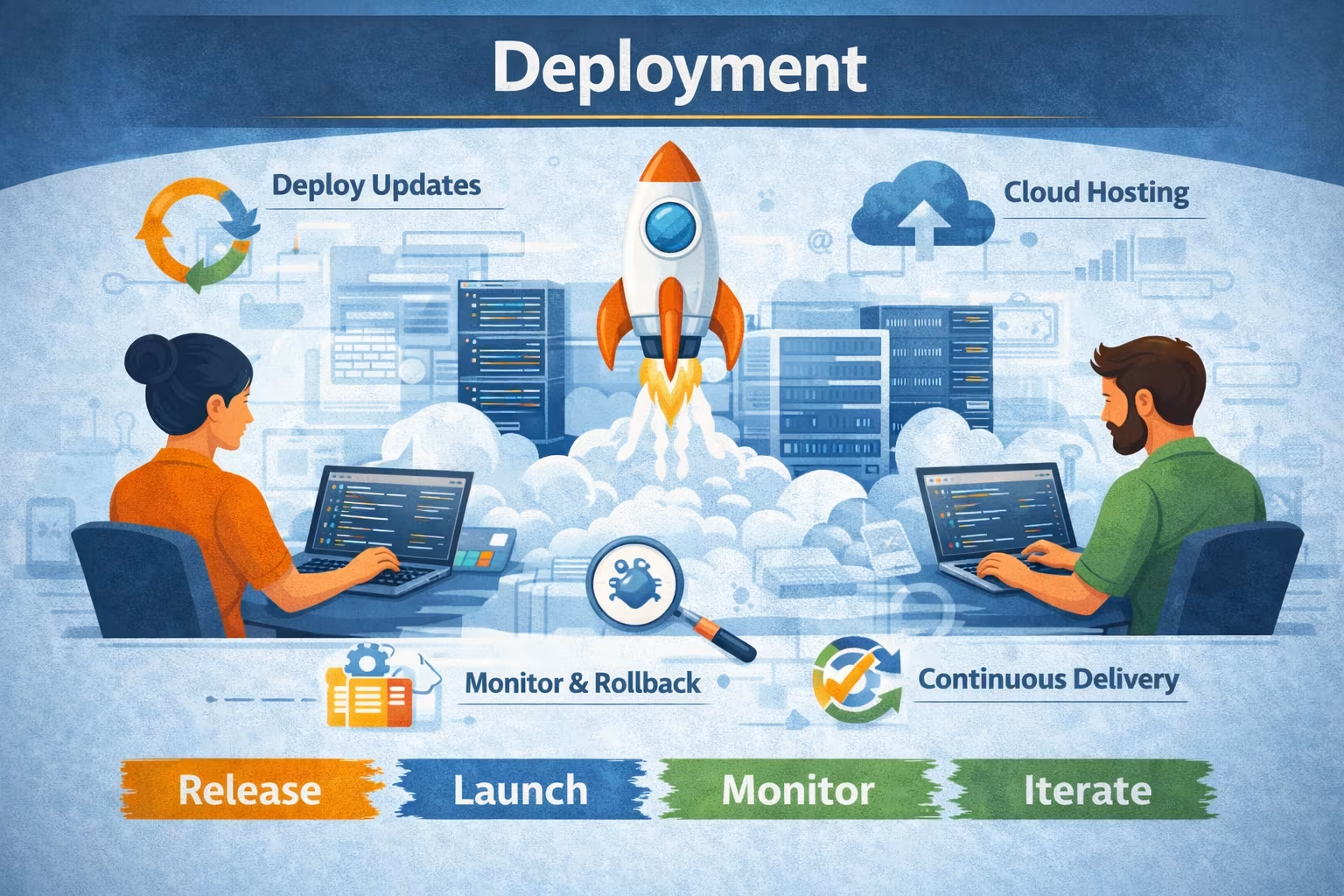
Deployment marks the transition from development to real-world use. This phase focuses on releasing the product in a controlled way, monitoring its behavior, and gathering feedback from real users. Deployment is not the end of the life cycle, but the point where learning accelerates. Iteration based on usage data, feedback, and performance insights ensures the product continues to improve and adapt. Teams that treat deployment as a starting point rather than a finish line are better positioned to build sustainable, long-lasting products.
Common SDLC Misconceptions
One of the most common misconceptions is that the SDLC is a strict, linear process that must be followed step by step. In practice, phases often overlap and repeat as teams learn and adapt. Another misconception is that each phase belongs to a separate team, which creates silos and slows progress. Teams also assume that following a process guarantees success, while ignoring the importance of communication, ownership, and decision-making. The SDLC is not a checklist to complete, but a framework to support better choices throughout the product’s lifecycle.
Closing
The software development life cycle is most effective when it’s treated as a guide, not a rulebook. Each phase exists to address a specific set of risks and decisions, not to enforce a rigid order. Teams that understand why each phase matters can adapt the SDLC to their context, iterate with confidence, and build products that evolve over time. The goal isn’t to follow the process perfectly, but to use it deliberately to support clarity, quality, and long-term success.
Related post
Handpicked Reads to Deepen Your Understanding
- Product Engineering
- Luka Skerjanc
- 26/01/2026
How to Plan a Software Project?
Planning a software project is not about predicting everything upfront. This blog shows how teams plan scope, phases, and key decisions while acknowledging uncertainty. It explains how early assumptions, risks, and dependencies shape better plans, and how structured planning helps teams reduce risk and deliver with confidence.
Readarticle- Product Engineering
- Luka Skerjanc
- 04/01/2026
How to Build a Software Product?
This blog explains how to build a software product end to end. It covers discovery, validation, design, development, launch, and scaling. It shows how early decisions shape long-term outcomes. It highlights where teams most often fail and how to avoid those mistakes. The focus is on building products deliberately, not just delivering features.
Readarticle- Product Engineering
- Luka Skerjanc
- 08/01/2026
What is the Final Step in the Product Development Process?
The final step of product development goes beyond writing code. This blog explains the role of QA, testing, validation, and release readiness in bringing a product to production. It outlines common testing practices, approval flows, and launch criteria that help teams reduce risk and ensure a smooth release. By the end, you will understand what needs to happen between “feature complete” and a confident, stable launch.
ReadarticleDo you have a specific idea in mind?
Share your vision, and we'll explore how we can make it happen together.