

Introduction
Waterfall and Scrum are often presented as complete opposites, one rigid and outdated, the other modern and flexible. In reality, both methodologies exist to solve specific types of problems, and both can fail when applied in the wrong context.
This article looks beyond labels and trends. Instead of asking which methodology is better, it focuses on when each approach makes sense, how they differ in practice, and what teams should consider when choosing between them.
What Waterfall and Scrum Have in Common?
Despite their differences, Waterfall and Scrum share the same fundamental goal: delivering a working product that meets business and user needs.
Both approaches involve:
- Defining scope and objectives
- Designing and building a solution
- Validating that the solution works
- Delivering value to users
The difference lies not in what they aim to achieve, but in how and when decisions are made, validated, and adjusted.
Planning and Requirements
Waterfall planning and upfront requirements definition
Waterfall relies on upfront planning. Requirements are defined in detail early in the project and are expected to remain stable throughout delivery. This creates predictability and clear expectations, especially in environments where change is costly or risky.
Once requirements are approved, the project moves sequentially through design, development, testing, and delivery.
Scrum approach to planning and activities
Scrum approaches planning as an ongoing activity. Initial requirements are defined at a high level, but details evolve through backlog refinement, sprint planning, and regular feedback.
Instead of locking decisions early, Scrum allows teams to adjust scope and priorities as they learn more about the product and its users.
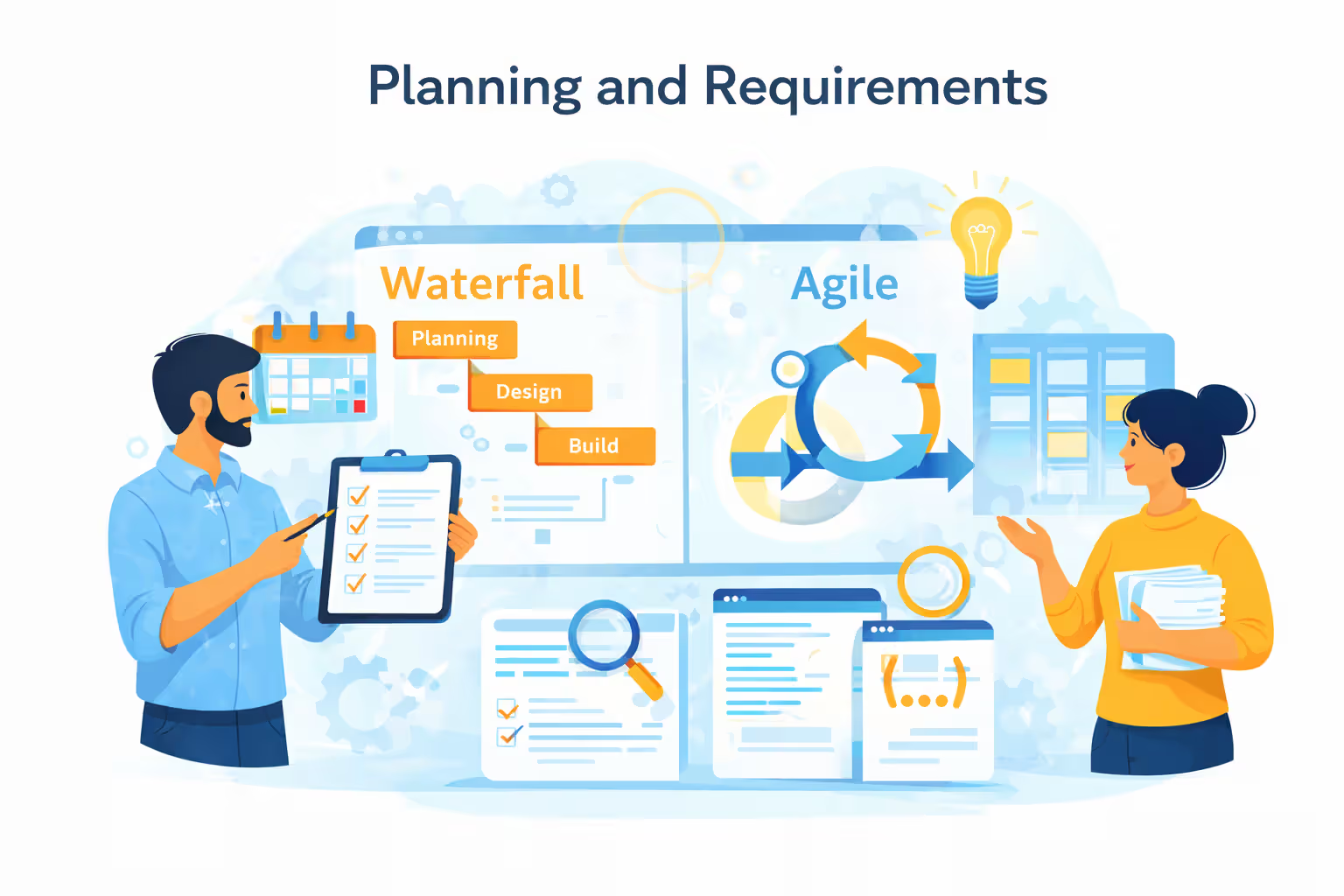
Planning and Requirements
Handling Change and Uncertainty
Handling changes in Waterfall
In Waterfall, change is typically controlled through formal process. Because decisions are made early, late changes can introduce delays, rework, and additional cost.
This approach works well when uncertainty is low and requirements are well understood from the start.
Changes are expected in Scrum
Scrum is designed for environments where change is expected. Short iterations and frequent feedback allow teams to respond quickly to new information, shifting priorities, or changing user needs.
Rather than resisting change, Scrum treats it as a normal part of product development.
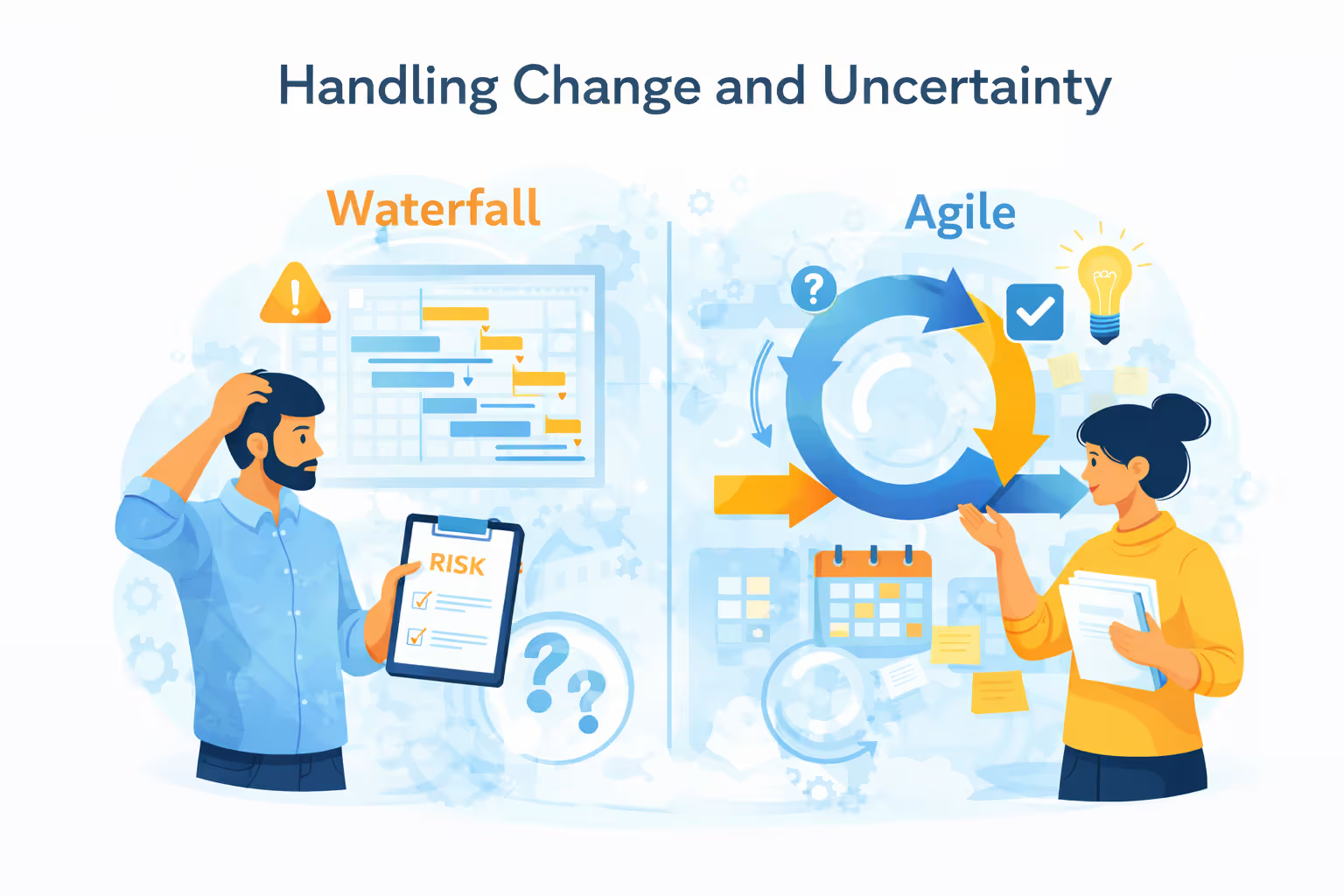
Change and Uncertainty
Delivery and Feedback Cycles
Delivering products in Waterfall
Delivery in Waterfall usually happens at the end of the project or at clearly defined milestones. Feedback is often gathered late, during testing or user acceptance phases.
This can work well for projects with fixed scope but increases the risk of discovering misalignment late in the process.
Delivering incrementally in Scrum Methodology
Scrum emphasizes incremental delivery. Each sprint produces a potentially shippable increment, allowing stakeholders to see progress early and often.
Frequent feedback helps teams validate assumptions and adjust direction before small issues become large problems.
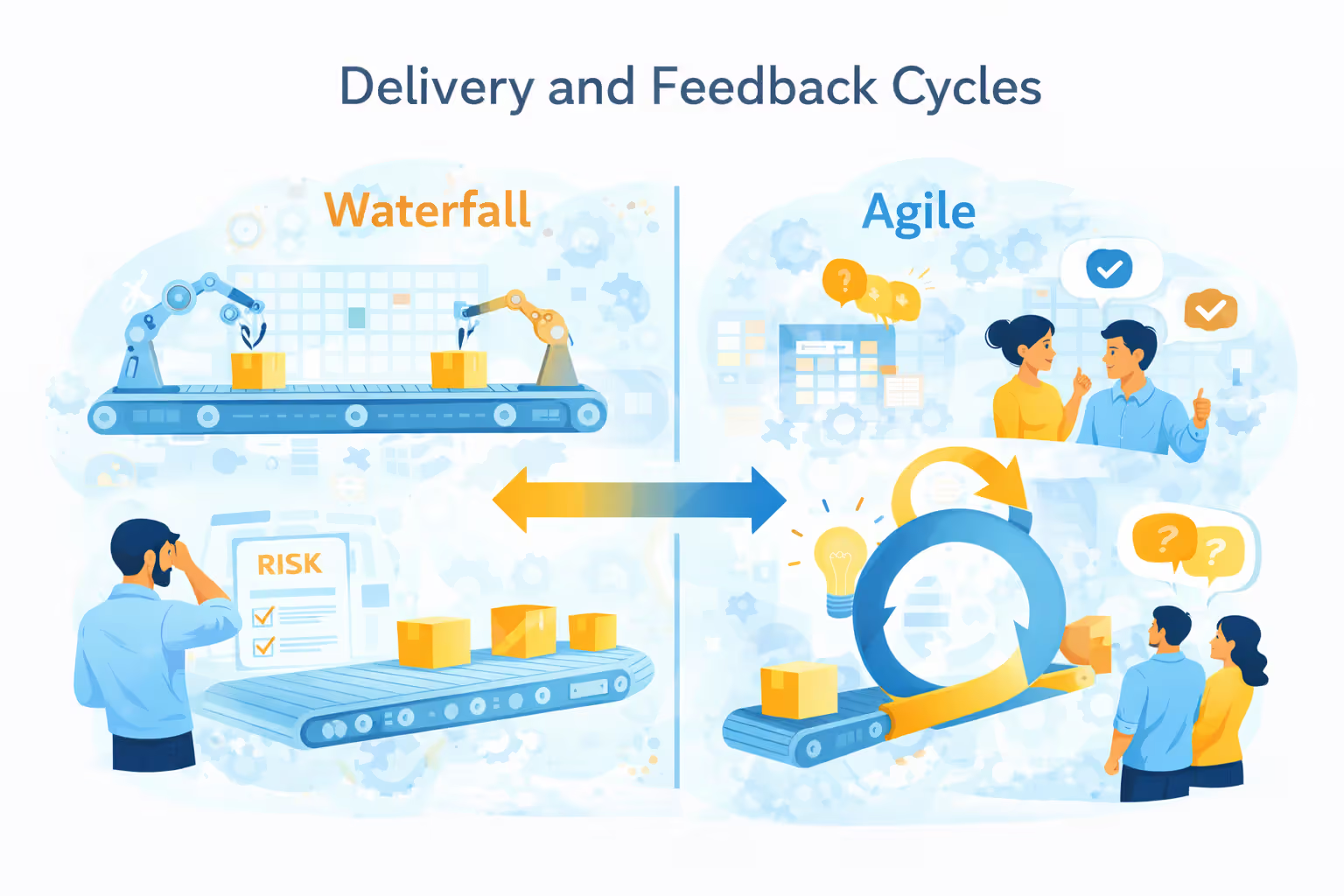
Delivery and Feedback
Risk Management
Managing risk in Waterfall
Waterfall manages risk by investing heavily in analysis and documentation upfront. The goal is to eliminate uncertainty early through detailed planning.
This works best when risks are known and can be addressed through careful design and approval.
Risk exposing in Scrum
Scrum manages risk by exposing it early. By delivering small increments frequently, teams surface technical, usability, and integration risks sooner rather than later.
Instead of avoiding uncertainty, Scrum reduces risk through learning and adaptation.
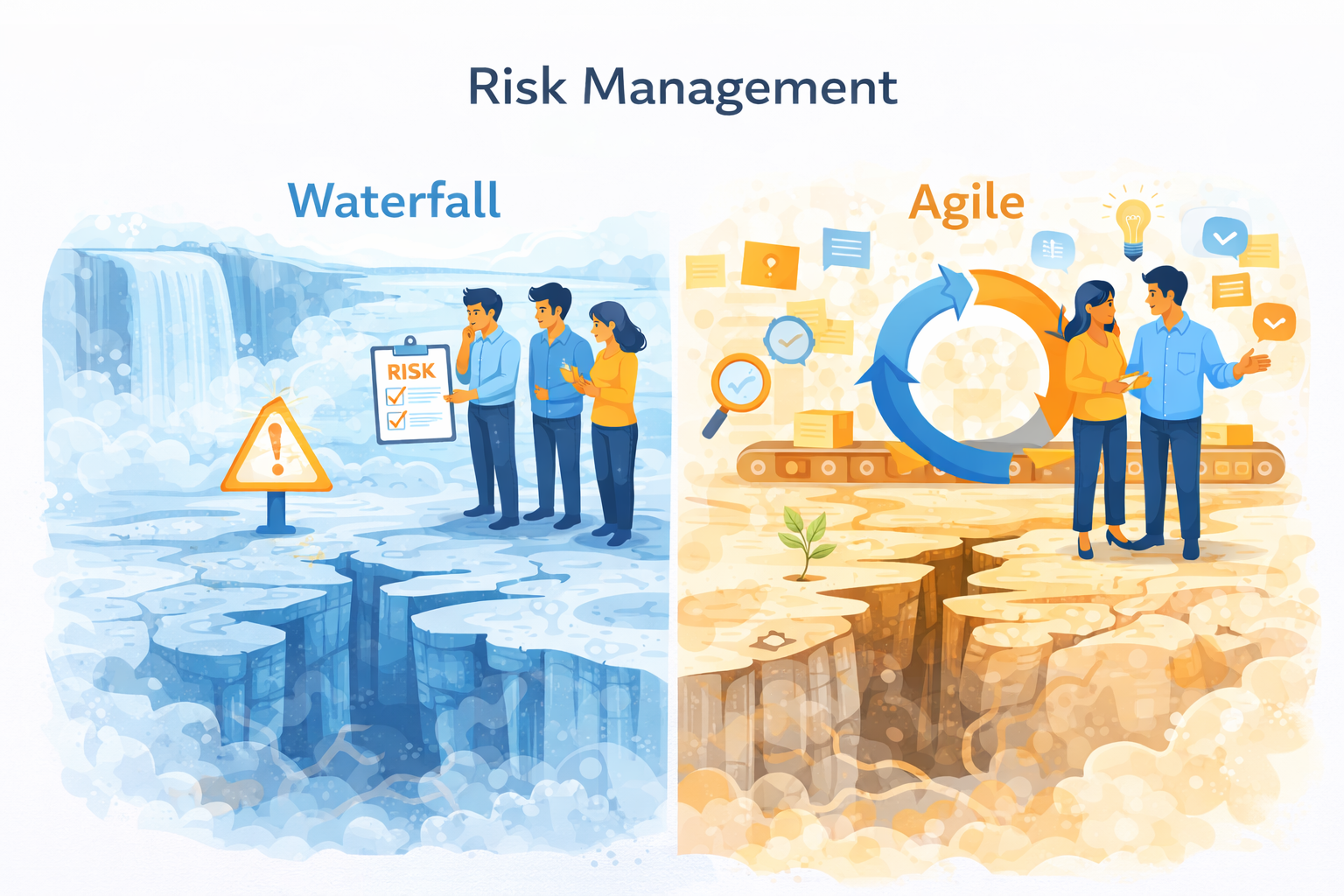
Risk Management
Team Structure and Responsibilities
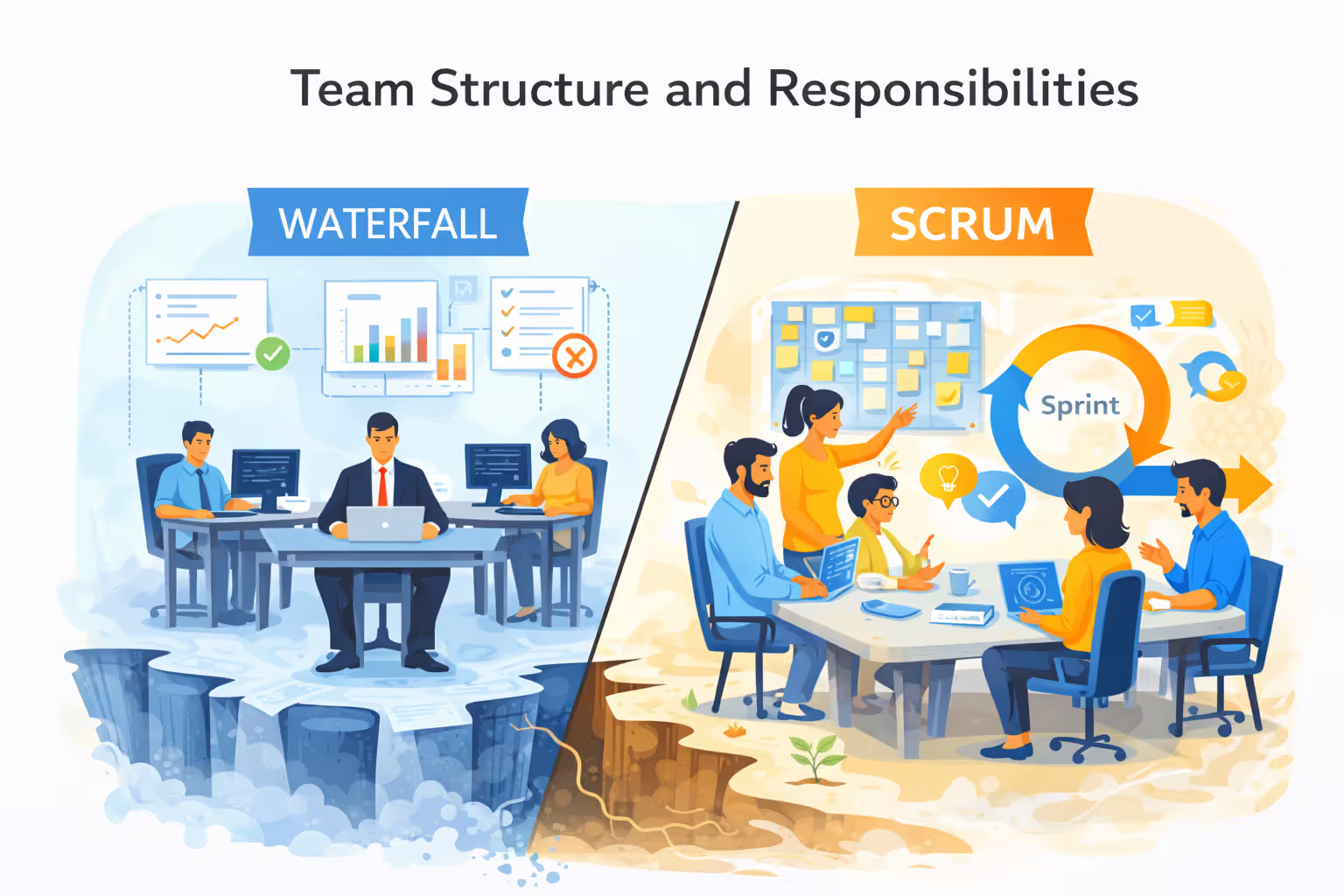
Specialized roles in Waterfall
Waterfall projects often rely on specialized roles and clear handovers between phases. Responsibilities are defined upfront, and decision-making is typically centralized.
This structure supports predictability but can reduce flexibility during execution.
Cross-Functional organizing teams in Scrum
Scrum relies on cross-functional, self-organizing teams. Teams are expected to collaborate closely, share responsibility for delivery, and make decisions within defined boundaries.
This requires trust, transparency, and a willingness to adapt ways of working.
Team Roles
Stakeholder Involvement
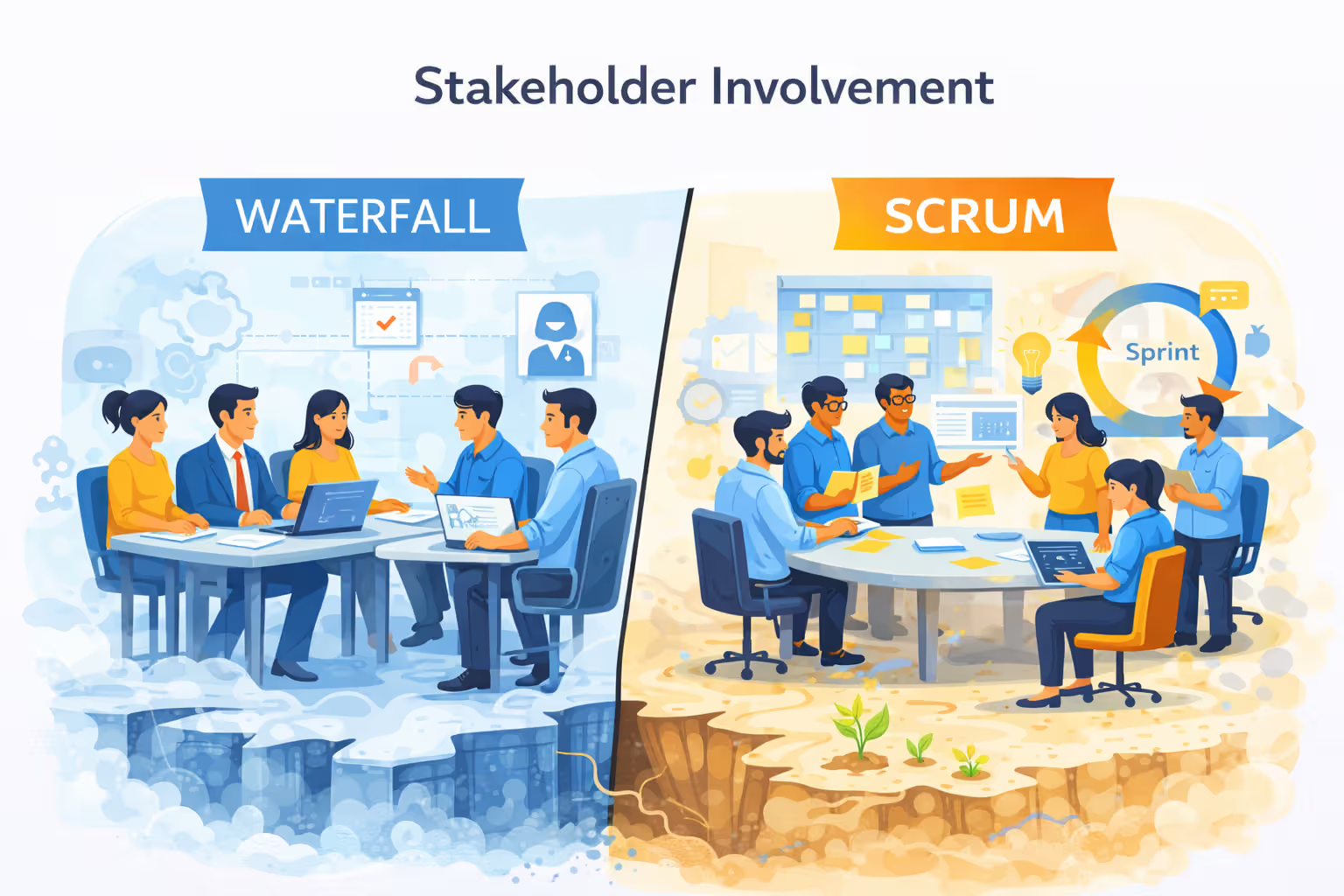
Involvement of Stakeholders in Waterfall
Stakeholders are most involved during the requirements and approval phases. Once delivery begins, involvement may be limited until testing or final acceptance.
This model works well when stakeholders prefer fewer touchpoints and stable expectations.
Continuous Stakeholder Involvement in Scrum
Scrum requires continuous stakeholder involvement. Regular reviews and feedback sessions help ensure alignment and allow priorities to be adjusted as needed.
This increases collaboration but also demands time and availability from stakeholders.
Stakeholder Involvement
Real-World Usage
In practice, few teams follow pure Waterfall or pure Scrum.
Many organizations use hybrid approaches, combining upfront planning with iterative delivery, or applying different methodologies to different parts of a project.
Understanding the principles behind each approach matters more than strictly following a single framework.
How to Choose Between Waterfall and Scrum
Choosing between Waterfall and Scrum is not about maturity or trendiness. It’s about context.
Consider factors such as:
- Stability of requirements
- Level of uncertainty and risk
- Regulatory or contractual constraints
- Stakeholder availability
- Team structure and autonomy
The right methodology supports decision-making, reduces risk, and fits the reality of the project - not the other way around.
Closing
Waterfall and Scrum are tools, not ideologies. Each has strengths, limitations, and situations where it excels.
By understanding how they differ and where they overlap, teams can choose an approach that fits their goals, constraints, and working environment, rather than defaulting to what’s popular.
The most successful projects are not defined by the methodology they use, but by how deliberately that methodology was chosen.